

 Anand Bajrangi
SEO and Google Ads are the two main ways to appear on Google, and they work in opposite ways. SEO earns your place in the free (organic) results by making your pages genuinely useful, and it takes months to build but costs nothing per click. Google Ads rents you a place at the top of the results instantly, but you pay for every single click and the traffic stops the moment you stop paying. Neither is "better" in general; the right choice depends on your budget, your timeline and what you are selling.
This is the question almost every small business asks us first, usually followed by "and can I stop paying for ads once the SEO works?" Let us compare the two properly, with honest numbers and no sales talk, so you can decide where your next rupee of marketing effort should go.
What SEO and Google Ads Actually Are
SEO (search engine optimisation) means improving your website so Google ranks it highly in the normal results: helpful content, the right keywords, fast pages, links from other sites. When someone searches and clicks your result, that visit is free. You paid in time and effort, not per click.
Google Ads is Google's advertising platform. You choose keywords, write a short ad, set a budget, and your ad can appear above the organic results within hours. Every click costs money, priced by an auction: the more competitors want the same keyword, the more each click costs. The official Google Ads page sums up its promise honestly: reach customers the moment they search for what you offer. The catch hides in the word "moment": you are renting that moment, again and again.
The Big Differences at a Glance
| Point | SEO | Google Ads |
|---|---|---|
| Cost per visitor | Free clicks. You invest time or pay for content once | You pay for every click, priced by auction |
| Speed of results | Slow: usually 3 to 6 months for real movement | Fast: traffic can start the same day |
| When you stop | Rankings and traffic mostly stay for a long time | Traffic stops immediately when the budget stops |
| Trust | Many users skip ads and trust organic results more | Clearly labelled as an ad, which some users avoid |
| Control | Limited. Google decides positions and can change the rules | Strong. You pick keywords, locations, timings and budget |
| Best for | Long-term growth, content, local reputation | Launches, offers, seasonal sales, testing new products |
Read the "when you stop" row twice, because it is the heart of the whole comparison. SEO behaves like buying a house: slow, effortful, but the asset is yours. Ads behave like renting a shop on the main road: instant footfall, zero ownership.
How the Money Works, With Simple Numbers
Suppose a click on "best coaching classes in delhi" costs around $1 in the ad auction (prices vary a lot by city and industry). A $300 monthly budget buys roughly 300 visits. If 5 out of every 100 visitors enquire, that is about 15 enquiries, and the campaign is easy to judge: did those enquiries earn more than $300?
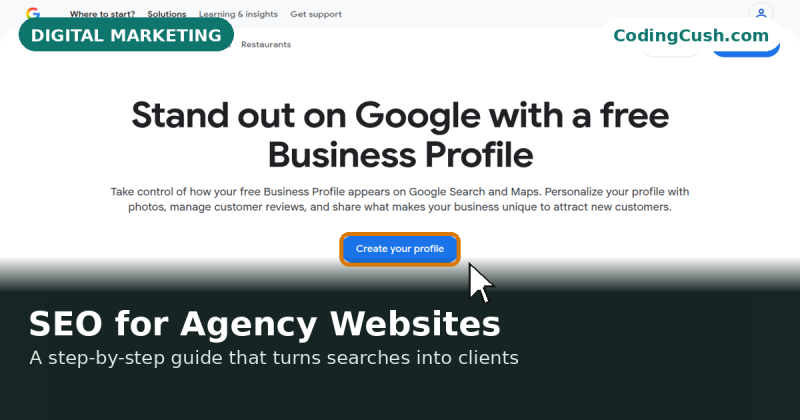
Now the SEO version. The same $300 spent on good content might buy two or three well-researched articles. In the first month they may bring almost nobody. By month six, one good article can quietly bring 300 visits every month on its own, and it keeps doing so next month and next year without another payment. That slow start followed by compounding returns is why our SEO guide for agency websites tells clients to judge SEO quarterly, never weekly. Different game, different scoreboard.
When SEO Is the Better Choice
Choose SEO first when your budget is small but your patience is real, when your business will still exist in two years, and when customers research before they buy. Local services, blogs, coaching institutes, clinics and agencies all live on searches like "best X near me" and "how to" questions, and a helpful website answers those profitably for years. SEO also builds an asset you own: rankings, content and reputation that a competitor cannot switch off by outbidding you.
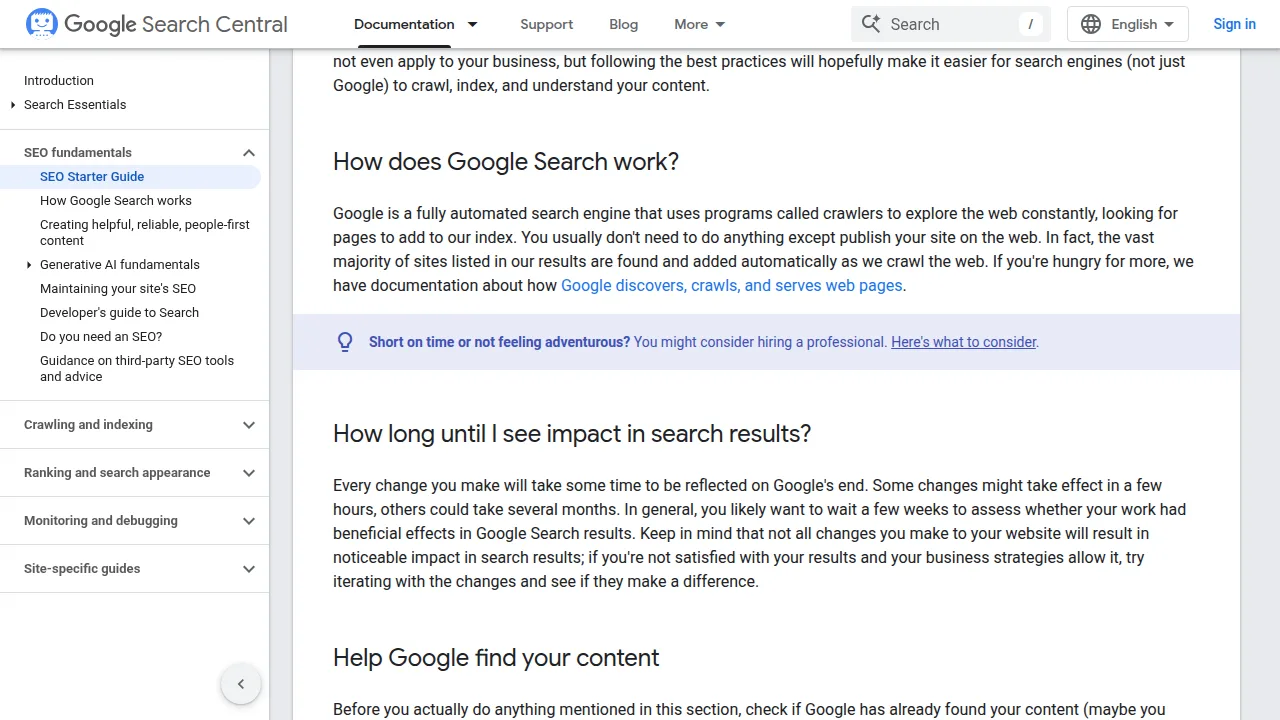
Google's own SEO Starter Guide makes the same point from the other side: good SEO is mostly about making a site that genuinely helps the people searching. There is no fee and no shortcut, just usefulness, organised well.
When Google Ads Is the Better Choice
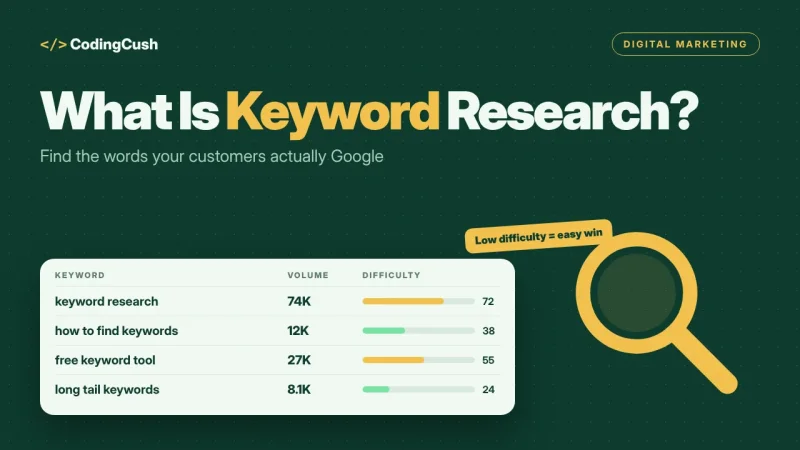
Choose ads first when time matters more than money. A new product launch, a Diwali sale, admissions closing next month, a service people need urgently (plumbers, repairs, towing): in all of these, waiting six months for SEO means missing the moment entirely. Ads are also the finest research tool in marketing. In one week of running ads you learn exactly which keywords produce enquiries and which produce nothing, and that knowledge makes your SEO ten times sharper afterwards. Finally, ads suit high-value services: if one customer is worth $2,000, paying $2 per click is not a cost problem at all.
Why Most Smart Businesses Use Both
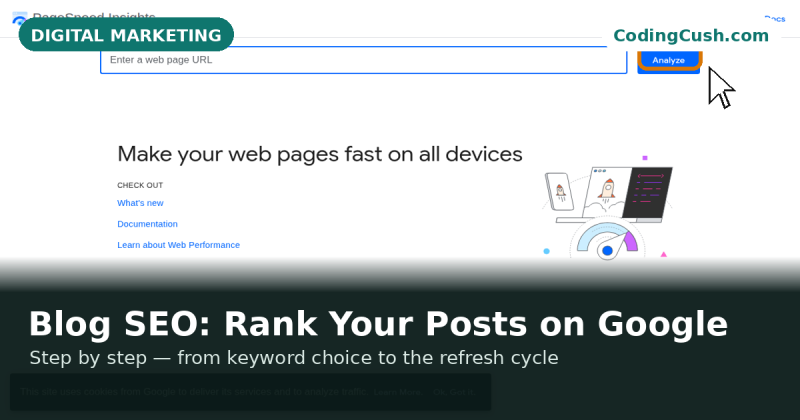
Here is the strategy we see working again and again, and the one we follow in our own step-by-step blog SEO workflow. Use ads for the keywords that must earn money today and to test new offers quickly. Use SEO to slowly take over the searches that bring steady, free traffic. Let the ad data choose your SEO topics, because ads tell you which searches actually convert. Then, as the organic traffic grows, shift part of the ad budget towards new tests instead of paying forever for clicks you could be getting free.
It is not SEO versus Ads, in the end. It is SEO for the future you are building, and ads for the bills due this month. Mature businesses fund tomorrow with today's ads, then let tomorrow's free traffic reduce the ad bill.
A Simple Decision Guide
Still unsure? Answer three questions. Do you need customers this week? If yes, start with ads. Can you wait three to six months for results? If yes, SEO will reward you. Is one customer worth much more than the cost of a click? If yes, ads are cheap at almost any price. Two answers pointing the same way is your starting channel, and you add the other one as soon as the budget allows.
Frequently Asked Questions
Is SEO really free?
The clicks are free, but SEO is not free of cost. You invest time writing and improving content, or pay someone to do it. The honest comparison is money-per-click forever (ads) versus effort invested once that keeps returning traffic (SEO).
Can Google Ads improve my SEO rankings?
No. Paying for ads does not raise your organic positions, and Google has always kept the two systems separate. Ads can still help indirectly by showing you which keywords bring real customers, so your SEO targets the right searches.
How long does SEO take to show results?
For a new website, expect the first meaningful movement in about three months and strong results in six to twelve. Competitive industries take longer. Anyone promising first position in two weeks is selling you a story, not a service.
Which is cheaper for a small business?
In the first month, ads look simpler but the bill repeats forever. Over a year, SEO is usually far cheaper per visitor for businesses that publish helpful content regularly, because the same pages keep bringing free traffic month after month.
Conclusion
SEO is the slow, owned road: free clicks, real trust, results that compound. Google Ads is the fast, rented road: instant visibility at a price per visitor. Pick ads when the calendar is against you, pick SEO when the future matters, and pick both the moment you can, letting each one make the other smarter. That balance, not a winner, is what actually grows a business.

Leave a Comment