

 Anand Bajrangi
You can sell digital products online as a beginner by packaging knowledge or files you already have, like notes, templates or checklists, pricing them between 99 and 499 rupees, and listing them on a platform like Gumroad that handles payment and delivery for you. There is no stock, no courier and no shop rent. Your first sale usually comes from your own small audience: classmates, followers or a community you are part of. This guide expands the digital products section of our pillar article on 10 ways to earn money online.
What Counts as a Digital Product?
A digital product is any useful file a buyer downloads after paying: study notes, resume templates, an ebook, a Notion planner, an Excel budget sheet, photo presets, printable worksheets, or a small pack of designs. The economics are friendly to beginners. You create the file once, and selling copy number 200 costs you exactly the same effort as copy number 1, which is none. That is why teachers, students and designers love this model: your past work keeps earning while you do other things.
Step 1: Find a Product Inside What You Already Have
Do not start by asking what is trending. Start by opening your own folders. The semester notes your juniors keep requesting. The resume format that got you interview calls. The Excel sheet you built to track your expenses or your gym progress. The checklist you follow before every exam or client project. If people already ask you for it for free, strangers will pay a fair price for a polished version. Write down five such items, then pick the one you can finish within a week. A finished small product teaches you the whole business; a grand unfinished one teaches you only frustration.
Step 2: Polish It Like a Product, Not a Favour
The difference between a free file and a paid product is care. Give your notes a clean title page, a table of contents and consistent formatting. Test your template on a friend's data. Record a tiny two minute video or write a one page guide explaining how to use it. Add your name or brand on the first page, politely, so buyers remember who helped them. Spend a few days on this polish. Buyers forgive a small product; they do not forgive a careless one, and reviews decide whether your second product ever sells.
Step 3: List It on a Platform That Handles Everything
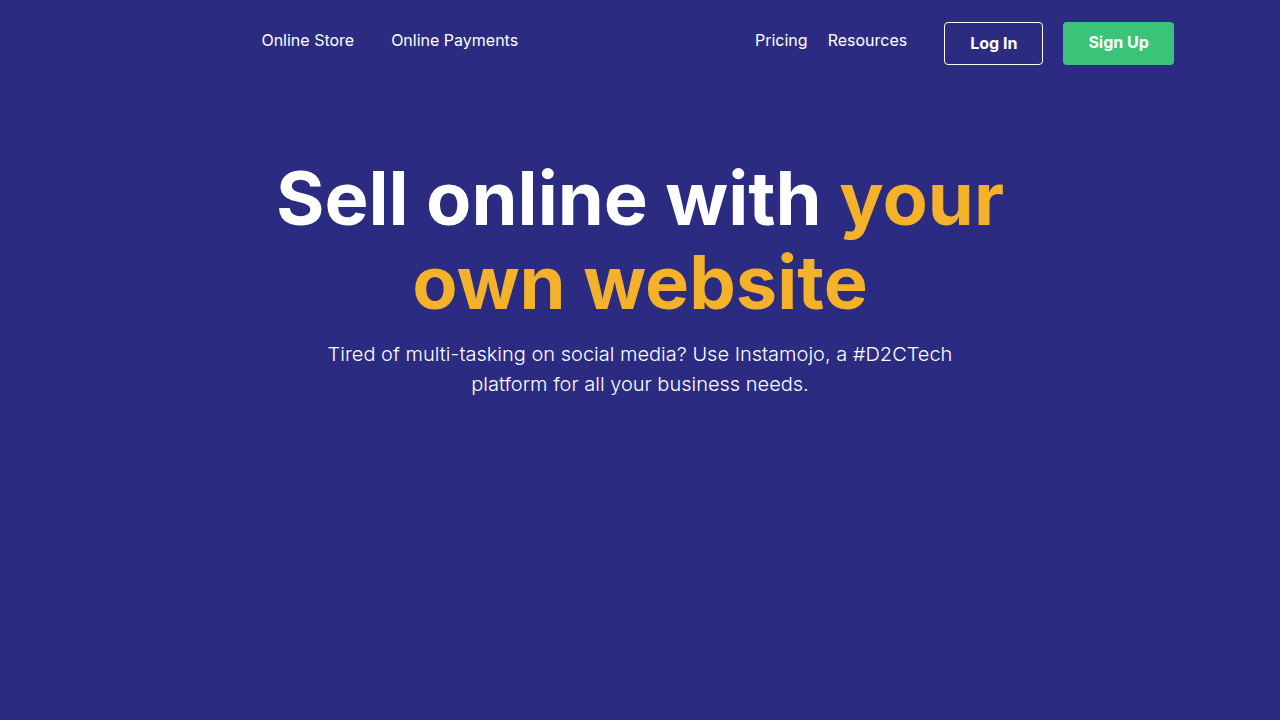
Beginners do not need their own payment gateway and delivery system on day one. Platforms like Gumroad let you create a product page, accept card payments and deliver the file automatically after purchase. Indian creators also like Instamojo, which gives you a small online store, accepts UPI payments and settles money to Indian bank accounts. Whichever platform you choose, check its fees page before fixing your price, so the platform's cut never surprises you. Write your product page like a helpful shopkeeper: who this is for, exactly what is inside, one or two preview images, and a short FAQ. Honest pages convert better than hype, and they produce far fewer refund requests.
Later, when sales are steady, you can also sell from your own website or shop page and keep a bigger share. Many creators start on a platform for simplicity, then move their best sellers to their own shop once the audience trusts them.
Step 4: Price It for Your First Ten Buyers
Pricing scares beginners more than any other step. A simple rule works: price your first product between 99 and 499 rupees, low enough that a student can buy without a family meeting, high enough that buyers take it seriously. Free products get downloaded and ignored; even a small price makes people actually use the file and value it. Once you have ten or twenty happy buyers and a few kind reviews, raise the price a little for new buyers. You can always create a bigger bundle later at a bigger price, built from the small products that already proved themselves.
Step 5: Promote Where Your People Already Are
Your first buyers will not find your product page by magic. Announce it where your audience already listens: your class group, your Instagram stories, a short video showing the inside pages, or a helpful post in a student community that allows it. Show, do not beg. A thirty second video flipping through your notes teaches more than ten "please buy" messages. And if your posts reach people but nobody responds, the fixes in our guide to social media posts that get no engagement will help you write announcements people actually act on.
One honest warning: never spam groups or buy fake reviews. One community banning you costs more than fifty slow sales. Slow, trusted promotion compounds; shortcuts collapse.
How Much Can a Beginner Earn?
| Product type | Common beginner price | Sales needed for 10,000 rupees |
|---|---|---|
| Study notes PDF | 199 rupees | About 50 copies |
| Resume template pack | 299 rupees | About 34 copies |
| Notion or Excel planner | 399 rupees | About 25 copies |
| Small ebook or guide | 499 rupees | About 20 copies |
The table shows the real shape of this business. You do not need virality. You need one useful product and a few dozen right buyers, then a second product for the same buyers. Your first month might bring only two or three sales, and that is a perfectly normal start, not a verdict. What matters is whether each month is a little better than the last: more buyers, kind words from them, and a slightly bigger list of products solving slightly bigger problems.
From One Product to a Small Shop
Your first product is a test, not a retirement plan. Watch what buyers ask you. If your notes buyers keep asking for previous semester notes, that is your second product, already researched by the market for free. If your resume template buyers ask whether you review resumes personally, you have discovered a service you can sell at a higher price to a smaller number of people. This is how small digital shops actually grow: one product, real buyer questions, then the next product answering those exact questions.
Keep every buyer's email, with their permission, and write to them when a related product launches. Selling a second useful file to someone who loved the first is ten times easier than finding a stranger. After three or four products, bundle them at a combined price slightly lower than buying separately. Bundles raise your average order value without any extra products to create. Slow, boring, and exactly how part time creators quietly reach a steady monthly income from files they made once.
Frequently Asked Questions
What is the easiest digital product for a student to sell?
Well organised study notes for one subject or semester. Students already trust notes from someone who scored well, the audience is easy to reach, and creating the product improves your own revision too.
Do I need a website to sell digital products?
No. Platforms like Gumroad give you a product page and handle payments and delivery. A website or your own shop becomes useful later, when you want lower fees and full control.
How do I stop people from sharing my paid file for free?
You cannot stop it completely, and big creators cannot either. Price fairly, keep improving the product, and add small extras like updates or a bonus checklist for buyers. Most honest customers prefer buying the real, updated version.
How much money do I need to start?
Practically zero. Your product is a file you create with free tools, and beginner friendly platforms charge only when you make a sale. Your real investment is a week of focused work.
Conclusion
Digital products turn knowledge you already own into an asset that sells while you sleep. Pick one small product, polish it properly, price it kindly, and promote it honestly to the people already around you. The first sale feels small. The habit it starts is anything but.



Leave a Comment