

 Anand Bajrangi
If your social media posts get almost no likes, comments or shares, the problem is almost never the algorithm "hating" your page. It is usually what the posts ask of the reader: nothing. Feeds reward content that stops the scroll and starts a reaction, and most business accounts post the opposite — a stream of promotions written like newspaper ads, published at random times, with no reply when someone does comment. The good news: engagement is a skill with levers, not a lottery. Below are the nine fixes that move it, in the order that matters.
First, a calming fact: even big brands average tiny engagement percentages. You are not failing because only twelve people liked a post. You are stuck if nobody — including your existing customers — ever responds, saves or shares. That is fixable, and it starts with what you post, not when.
Fix 1: Stop Posting Only Promotions
A feed that is 100% "Buy now", "New offer", "DM to order" trains followers to scroll past you the way people skip TV ads. Promotions have their place, but they must ride on content people actually enjoy: teach something small, show the work behind the scenes, share a customer result, tell the mistake you made last month and what it taught you.
A workable rhythm for a small business is roughly four helpful or human posts for every one direct promotion. Hootsuite's research-backed guide to increasing social media engagement makes the same point with data: audiences engage with brands that entertain, educate or inspire first and sell second.
Fix 2: Earn the First Three Seconds (the Hook)
Every post competes with a thumb already in motion. If your caption opens with "We are pleased to announce…" or your video opens with a logo animation, you have lost. Open with the interesting part: the result, the mistake, the surprising number, the question your customer asked you this morning.
Write your caption's first line like a headline — it is the only line most people will ever read. "Your bakery photos are dark because of this one light mistake" beats "Quality cakes available, order now" every single day of the week.
Fix 3: Use the Formats the Platform Is Pushing
Every major platform currently rewards short video — Reels, Shorts, TikTok — far more than static images, and carousels (multi-slide posts) earn saves and shares because people swipe through them. If you only post single photos with a price, you are playing on the hardest difficulty setting.
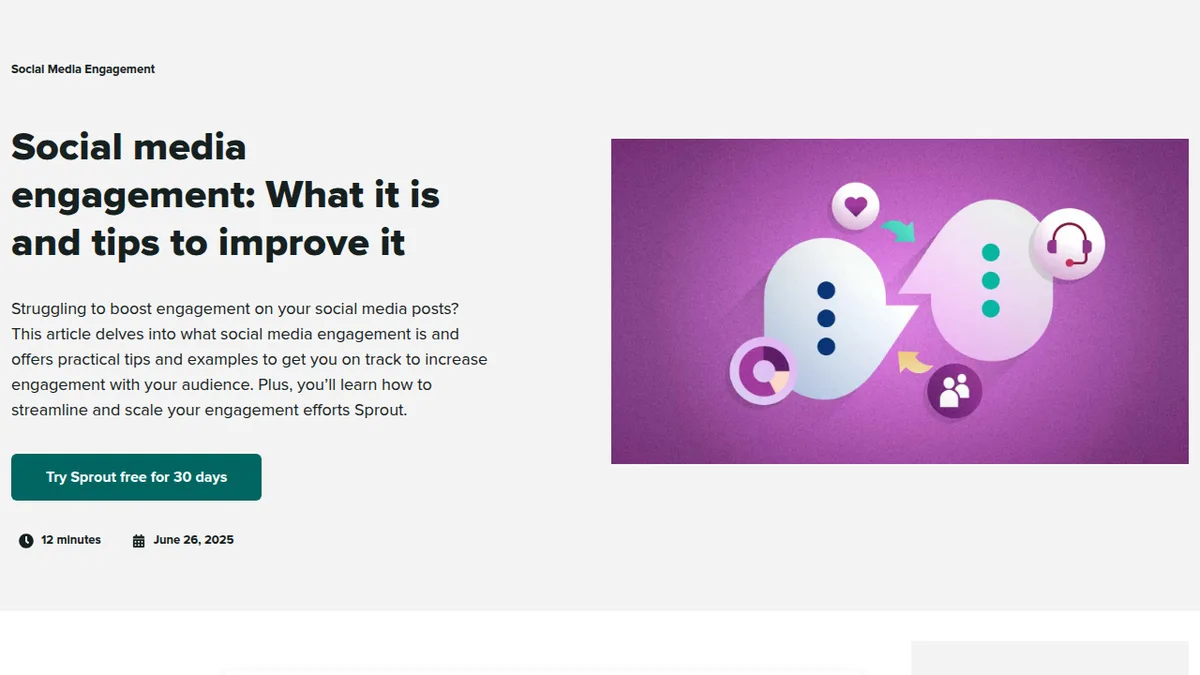
You do not need a film crew. A phone, daylight, and 20 seconds of you explaining one tip, packing one order, or fixing one common problem outperforms a designed graphic. Sprout Social's guide to social media engagement breaks down which interactions each platform actually counts and rewards — worth a read before you plan next month's formats.
Fix 4: Post Consistently, Not in Bursts
Five posts in one excited weekend, then silence for three weeks, teaches both the algorithm and your followers that you are not really here. A modest schedule you can keep — say three posts a week — beats heroic bursts. Consistency also gives you data: after a month you can see what your audience actually responds to, instead of guessing from three random posts.
Use a simple calendar: one teaching post, one human/behind-the-scenes post, one offer or customer story per week. Batch-create on one day. Boring system, exciting results.
Fix 5: Reply to Every Comment Like a Human
Engagement is a conversation, and most business accounts treat comments like a suggestion box nobody opens. When someone comments and gets no reply, they rarely comment again — and platforms notice that your posts start no discussion, so they show them to fewer people.
Reply fast, reply in your real voice, and ask a follow-up question sometimes. Also go out and comment thoughtfully on other accounts in your niche. Social media is, at heart, social; the accounts that talk are the accounts that get talked about.
Fix 6: Be on the Platform Your Customers Actually Use
A B2B consultant posting daily on Instagram while their clients live on LinkedIn is working hard in an empty room. Ask your last ten customers where they spend time online, and check where competitors in your exact niche get real comments — not just follower counts.
It is better to be genuinely present on one right platform than thin and resentful on five. Master one, then expand.
Fix 7: Fix Your Hashtag Habits
Hashtags help people discover topics; they cannot rescue a dull post. The two failure modes are stuffing 30 unrelated tags (which looks spammy and attracts bots, not buyers) and using huge generic tags like #love or #business where your post drowns in a second.
Use a small set — roughly 3 to 10 — of specific tags your real audience follows: your niche, your city, your craft. Rotate a few based on each post's actual topic.
Fix 8: Check Your Insights and Do More of What Works
Your account already tells you what your audience likes; most people never look. Once a month, open the insights/analytics section and find your top five posts by saves, shares and comments — not likes. Then ask what they have in common: format, topic, hook, length, time of day.
This is the same habit that makes websites grow — measure, learn, repeat — and it works for content of every kind. Our complete guide to SEO metrics covers the website side of reading numbers without drowning in them; the mindset transfers directly to social dashboards.
Fix 9: Give People a Reason and a Way to Respond
Many posts end with a full stop where a door should be. Ask a genuine question ("Which of these two designs would you pick?"), run a simple poll, invite people to share their experience, or ask them to tag someone who needs the tip. People respond when responding is easy and specific.
Pair that with content worth saving — checklists, price guides, mistakes to avoid — since saves are one of the strongest signals that a post mattered. And borrow the structure habit from blogging: a strong opening line, one clear idea, a helpful body. Our blog SEO step-by-step guide teaches that anatomy for articles; posts follow the same skeleton in miniature.
Quick Diagnosis Table
| What you see | Likely cause | First fix |
|---|---|---|
| Reached people, zero comments | No hook, no question asked | Rewrite the first line; end with a specific question |
| Old posts did well, new ones flop | Format shifted to video; you didn't | Turn your best photo posts into short videos |
| Likes from strangers, no customers | Wrong platform or viral-bait topics | Audit where real customers spend time |
| Engagement only on offer posts | Followers trained to wait for discounts | Add teaching and story content between offers |
Frequently Asked Questions
How long until engagement improves?
With consistent posting and replies, most small accounts see a clear lift in 4 to 8 weeks. The first win is usually more comments from existing followers; reach growth follows as the platform learns your posts start conversations.
Should I buy followers to look established?
No. Fake followers never buy, never comment honestly, and they drag your engagement rate down, which makes the platform show your posts to fewer real people. A small, real audience is worth far more.
What is a good engagement rate?
It varies by platform and industry, but for small business accounts roughly 1% to 5% of followers engaging per post is a healthy range. Track your own trend month to month instead of comparing with celebrities.
Do posting times really matter?
A little. Post when your followers are awake and scrolling — your insights show this — but a strong post at a decent hour beats a weak post at the "perfect" minute every time.
Conclusion
Low engagement is feedback, not a verdict. Post less like a billboard and more like a helpful human: teach, show, ask, reply. Use video, open with a hook, check your numbers monthly, and keep the rhythm for two months before judging. The accounts that win your niche are rarely the loudest — they are the most consistently interesting.


Leave a Comment